Personal history
Your age, certain prior breast biopsy findings, and previous chest radiation can influence risk.
Your breast health is personal. Learn how risk factors, breast density, and screening choices fit together—and prepare for a more informed conversation with your healthcare team.
Start your breast health checklistEducational information only. This website does not diagnose cancer or calculate individual risk.
Risk is influenced by a combination of factors. Having a risk factor does not mean you will develop breast cancer, and many people diagnosed have no known family history.
Your age, certain prior breast biopsy findings, and previous chest radiation can influence risk.
Cancers on either side of your family may matter. Some inherited gene variants substantially increase risk.
Dense tissue can make cancers harder to see on mammograms and is also associated with increased risk.
Formal risk assessment uses validated tools and clinical information. Ask your clinician which model is appropriate for you.
Breast density describes the relative amount of fibroglandular tissue seen on a mammogram. It is not something you can determine by touch or breast size.
Little dense tissue.
Some areas of fibroglandular tissue.
Dense tissue may obscure small masses.
Dense tissue reduces mammographic sensitivity.
Categories C and D are generally considered “dense.” Density alone does not determine whether you need supplemental screening; your overall risk and preferences matter.
The foundation of breast cancer screening for many women. Screening start ages and intervals vary across professional guidelines.
May be recommended in addition to mammography for certain people at elevated lifetime risk or with specific high-risk factors.
May be considered in selected circumstances, depending on risk, availability, and clinical guidance.
Select any statements that apply to you. This private, browser-only checklist does not estimate your cancer risk or send your answers to a server.
This is not a validated screening or risk-stratification tool. An unchecked box does not indicate low risk. Do not delay care for symptoms.
Reliable breast health information should be understandable and accessible to everyone.
Know Your Breast Risk is a free, physician-led educational resource created to help people understand the factors that may influence breast cancer risk, what breast density means, and which screening questions to discuss with their healthcare team.
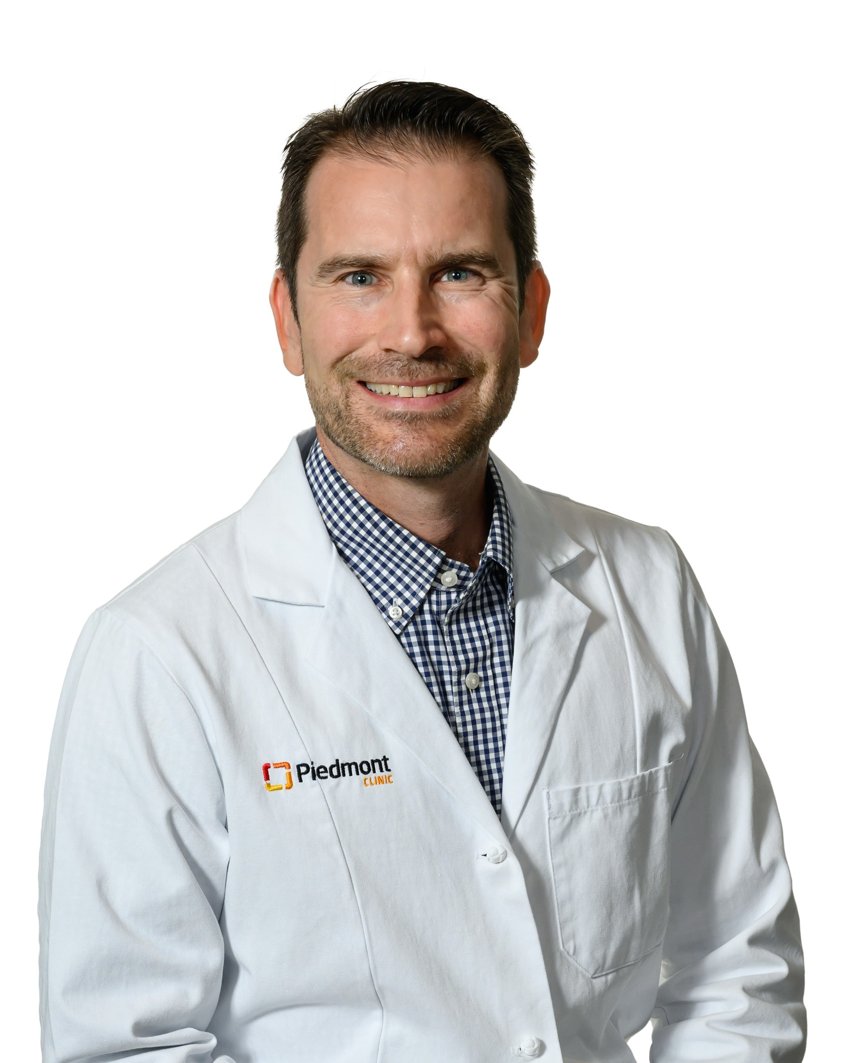
Founder & physician editor
Fellowship-trained breast imaging radiologist
Dr. Aho founded Know Your Breast Risk to help bridge the gap between complex breast imaging information and practical patient understanding. The goal is to support informed, individualized conversations about screening and breast health.
Know Your Breast Risk is an independent educational project. The photograph includes a clinical employer logo; its appearance does not imply institutional sponsorship or endorsement.
Educational information is intended to reflect established evidence, acknowledge differences among professional guidelines, and explain where individual circumstances matter. This site does not provide diagnosis or a personal screening prescription.
Draft updated November 2026. Clinical editorial review and link verification are required before public launch.